

If someone in New South Wales has been told they need cataract surgery, the next question is usually about timing. Cataract Surgery Waiting Times in NSW can feel confusing because they vary by hospital, urgency category, and whether the patient uses the public or private system.
This guide explains what shapes Cataract Surgery Waiting Times in NSW, how the public waiting list works, what people can do while waiting, and how to make choices that suit their health and budget.
What exactly do people mean by Cataract Surgery Waiting Times in NSW?
They usually mean the time between being added to a hospital waiting list and the day surgery happens. Cataract Surgery Waiting Times in NSW can also include earlier steps, such as waiting for an optometrist appointment, a GP referral, and the first public ophthalmology clinic visit.
It helps to separate the timeline into two parts: time to get assessed by the hospital eye clinic, and time from being listed to receiving surgery.
Why do Cataract Surgery Waiting Times in NSW vary so much?
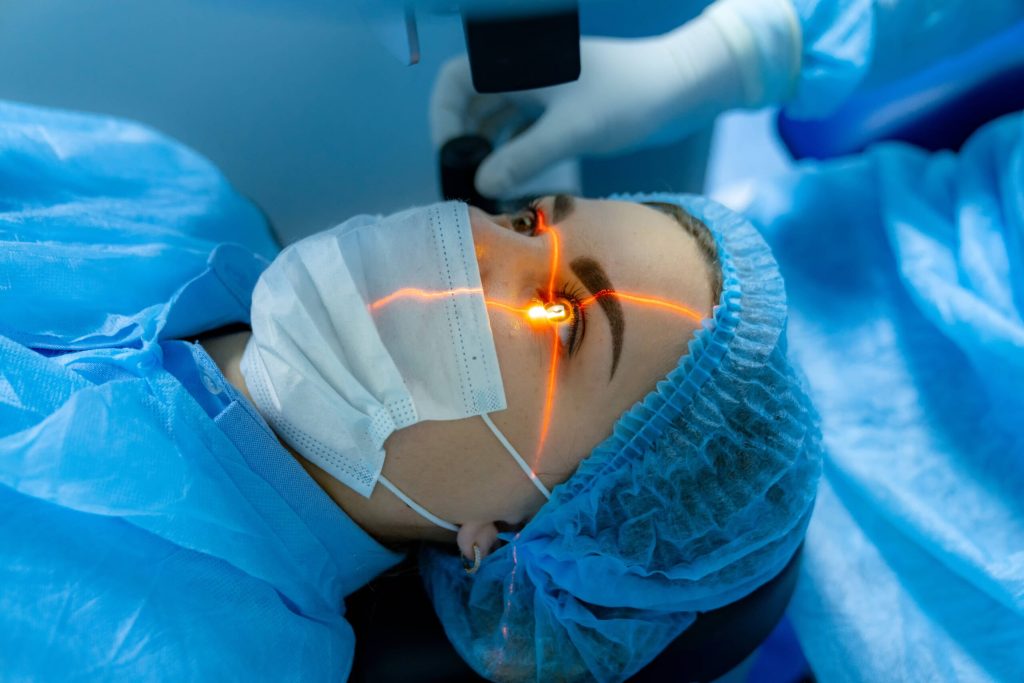
They vary because demand is high and theatre capacity is limited, and not every case is treated as equally urgent. Cataract Surgery Waiting Times in NSW can be shorter in some districts and longer in others depending on staffing, operating lists, and how many patients are already waiting.
They also change over time due to seasonal pressures, workforce shortages, or changes in how hospitals schedule day surgery.
How does the NSW public waiting list for cataracts work?
In the public system, a patient typically needs a referral to a public ophthalmology clinic, then an assessment where the specialist confirms surgery is needed. Once the hospital books them onto the elective surgery waiting list, Cataract Surgery Waiting Times in NSW are influenced by the urgency category assigned.
They should expect admin steps too, such as pre-admission checks, consent forms, and a pre-op review if they have complex health issues.
What do urgency categories mean for Cataract Surgery Waiting Times in NSW?
Urgency categories are designed to prioritise patients by clinical need rather than how long they have waited. Cataract Surgery Waiting Times in NSW are often shorter for people whose vision loss is severely affecting safety, independence, or health.
A patient’s category can be influenced by factors such as very poor vision, risk of falls, inability to drive safely, being unable to work, or having another eye condition that makes delay risky.
Are Cataract Surgery Waiting Times in NSW different in private care?
Yes, private care often reduces the time to surgery because the scheduling is tied to the surgeon’s rooms and private hospital availability rather than the public queue. Cataract Surgery Waiting Times in NSW in private settings can sometimes be weeks rather than months, but the trade-off is out-of-pocket cost.
They may still face delays if they need extra testing, complex lens choices, or management of other eye diseases first.
What costs should they expect if they go private instead?
Private cataract surgery in NSW commonly involves several cost components: surgeon fees, anaesthetist fees, hospital fees, and the lens or technology choices. Even with private health insurance, a gap payment is common, and it can vary widely.
They should ask for an itemised quote upfront and confirm what Medicare covers, what the insurer pays, and what is billed as an out-of-pocket expense.
Can they reduce Cataract Surgery Waiting Times in NSW in the public system?
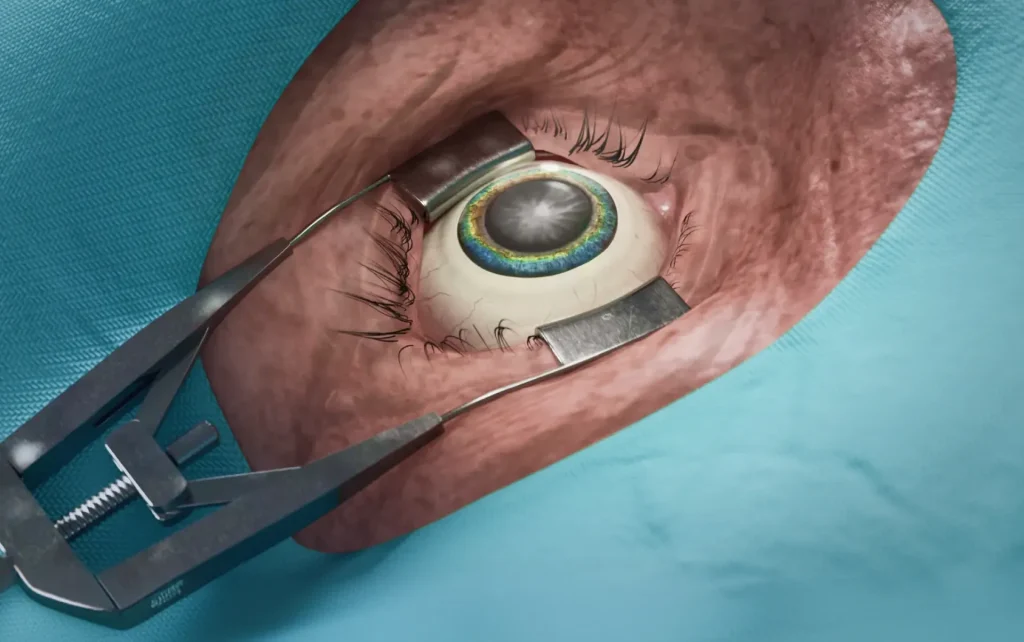
Sometimes, yes, but it depends on flexibility and eligibility. Cataract Surgery Waiting Times in NSW may be reduced if they can attend short-notice lists, accept surgery at a different public hospital, or ask to be considered for cancellation spots.
They can also ensure all paperwork is complete quickly, attend all pre-op appointments, and respond promptly to hospital calls so they do not lose a date.
Should they ask to be treated at a different hospital or Local Health District?
They can ask, but transfers are not always simple. Cataract Surgery Waiting Times in NSW can differ between locations, and some hospitals have more capacity for day surgery than others.
If they are considering a different hospital, they should confirm whether the referral can be redirected, whether they must rejoin a new waiting list, and whether travel and post-op visits will be practical.
What happens if their vision gets worse while they are waiting?
They should report worsening vision to their optometrist, GP, or treating hospital clinic rather than waiting quietly. Cataract Surgery Waiting Times in NSW can sometimes change if the clinical picture changes, and the treating team may reassess urgency.
If they develop red flags like sudden vision loss, significant eye pain, flashes, or a curtain-like shadow, they should seek urgent care because that may indicate something other than a cataract.
What can they do to stay safe while waiting for surgery?
They can reduce risk by focusing on home safety, driving decisions, and lighting. Cataract Surgery Waiting Times in NSW may be out of their control, but falls and accidents are not inevitable.
Practical steps include brighter lighting at home, anti-slip mats, updated glasses if helpful, avoiding night driving if glare is severe, and asking family for support with transport if vision is limiting.
Do both eyes get done at once, and does that affect waiting times?
Most cataract surgery is done one eye at a time, with a gap between procedures. That means Cataract Surgery Waiting Times in NSW might apply twice if both eyes need surgery, depending on how the hospital schedules second-eye operations.
They should ask the surgeon how the second eye is prioritised and what typical time gap is used, especially if the first eye becomes much clearer and the difference between eyes causes imbalance.
How do other health conditions affect Cataract Surgery Waiting Times in NSW?
They can affect timing because hospitals may need extra clearance or planning. Cataract Surgery Waiting Times in NSW can be longer if they have uncontrolled diabetes, complex heart or lung conditions, blood-thinner management needs, or difficulty lying flat.
In many cases, the solution is coordination rather than delay, so it helps if they keep GP and specialist records up to date and attend pre-admission assessments promptly.
What questions should they ask the hospital or surgeon about their place in the queue?
They should ask clear, practical questions that help them plan. Cataract Surgery Waiting Times in NSW can be easier to navigate when they understand what stage they are at.
Useful questions include:
- Has the patient been officially added to the elective surgery waiting list yet?
- What urgency category have they been assigned?
- Are there any missing tests or forms that could delay booking?
- Can they be called for cancellations on short notice?
- What is the typical wait for their category at that hospital right now?
What should they do if they feel the wait is unreasonable?
They can start by contacting the hospital clinic politely and asking for an update, then follow the complaints or feedback pathway if needed. Cataract Surgery Waiting Times in NSW can be frustrating, but communication often clarifies whether they are awaiting assessment, listing, or a booked date.
They can also seek a second opinion, ask whether another public clinic has shorter access, or discuss private options if the delay is significantly affecting safety or ability to work.
What is the simplest way to think about Cataract Surgery Waiting Times in NSW?
The simplest view is that waiting times are shaped by three things: access to assessment, clinical urgency, and operating capacity. Cataract Surgery Waiting Times in NSW are not fixed, and they can change based on health status, hospital resources, and patient flexibility.
If they want the best chance of moving smoothly through the system, they should stay engaged with their eye care team, report changes in symptoms early, and ask directly what steps could speed up scheduling without compromising safety.
FAQs (Frequently Asked Questions)
What factors influence Cataract Surgery Waiting Times in New South Wales?
Cataract Surgery Waiting Times in NSW vary due to high demand, limited theatre capacity, urgency categories assigned to patients, hospital staffing levels, operating lists, and regional differences across Local Health Districts. Seasonal pressures and workforce shortages also impact waiting times.
How does the public cataract surgery waiting list operate in NSW?
In the NSW public system, patients require a referral to a public ophthalmology clinic for assessment. Once surgery is confirmed necessary, they are placed on an elective surgery waiting list with an assigned urgency category. Administrative steps include pre-admission checks, consent forms, and possibly a pre-op review for complex health issues.
What do urgency categories mean for cataract surgery timing in NSW?
Urgency categories prioritise patients based on clinical need rather than waiting duration. Those with severe vision loss affecting safety or independence—such as risks of falls or inability to drive—typically experience shorter Cataract Surgery Waiting Times in NSW.
Are Cataract Surgery Waiting Times shorter in private care compared to public hospitals in NSW?
Yes, private care often offers reduced waiting times because scheduling depends on surgeon availability and private hospital resources rather than public queues. Private cataract surgeries can sometimes be scheduled within weeks instead of months but usually involve out-of-pocket costs.
Can patients reduce their Cataract Surgery Waiting Times within the NSW public system?
Sometimes patients can reduce waiting times by accepting short-notice surgery slots, agreeing to have surgery at different public hospitals with more capacity, or being considered for cancellation spots. Prompt completion of paperwork and attending all pre-op appointments also help avoid delays.
What safety measures can patients take while waiting for cataract surgery in NSW?
While waiting, patients should focus on home safety by improving lighting, using anti-slip mats, updating glasses if needed, avoiding night driving if glare is severe, and seeking family support for transport. Reporting any worsening vision or urgent symptoms promptly to healthcare providers is essential.
You may also like to read – Addiction Therapy Sydney Sessions and How Long People Stay