

Searching for Addiction Therapy Sydney Sessions and How Long People Stay usually starts with one practical question: how many sessions will they need, and for how long. The honest answer is that it depends on their substance use history, health, supports, and goals, but there are common patterns that can help people plan.
This guide explains what typically happens in Addiction Therapy Sydney Sessions and How Long People Stay, what affects time in treatment, and how they can make choices that fit their life while staying safe.
What happens in Addiction Therapy Sydney Sessions and How Long People Stay?
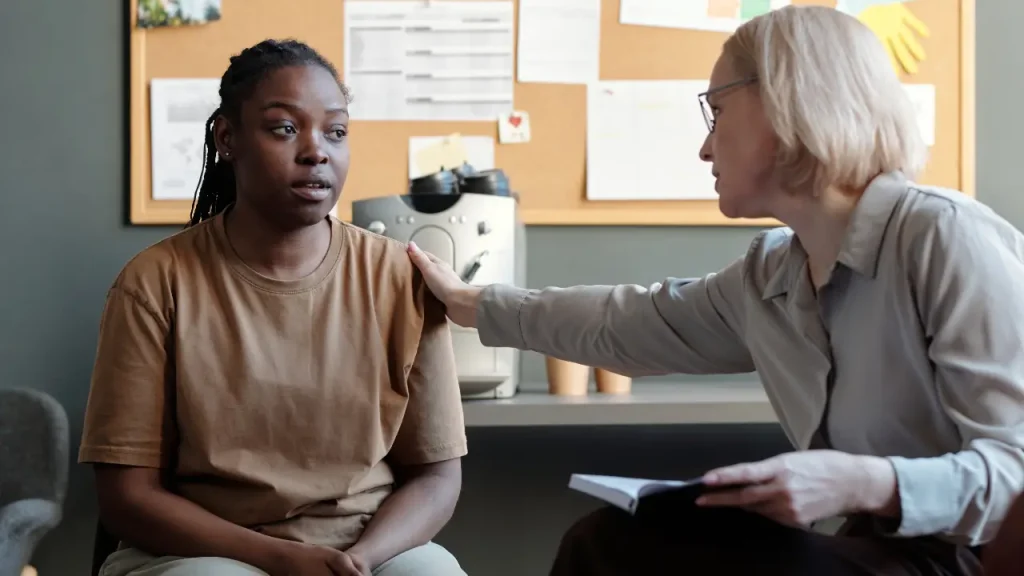
In most cases, Addiction Therapy Sydney Sessions and How Long People Stay begins with an assessment, then a tailored plan that may include counselling, group programmes, relapse prevention, and support for mental health. Sessions are usually structured, with clear goals and progress check-ins.
Many services also coordinate with GPs, psychiatrists, and hospitals if their risks are high or if medication support is needed.
How long is a typical first appointment?
A first appointment is often longer than follow-ups. In Addiction Therapy Sydney Sessions and How Long People Stay, an initial assessment commonly runs 60 to 90 minutes, because clinicians need time to understand substance use patterns, safety risks, withdrawal history, and current stressors.

They may also screen for anxiety, depression, trauma, sleep issues, and other factors that can drive cravings and relapse.
How many sessions do people usually attend?
A common range is 6 to 20 sessions, though some people attend fewer and others stay in care for months. In Addiction Therapy Sydney Sessions and How Long People Stay, brief therapy may be suitable when their use is mild, risks are low, and supports are strong.
If their substance use is long-standing, involves multiple substances, or is linked with mental health challenges, longer treatment is more common. “
How long does each therapy session last?
Most individual sessions run 45 to 60 minutes. In Addiction Therapy Sydney Sessions and How Long People Stay, group sessions can be 60 to 120 minutes, depending on the programme, while family sessions often sit around 60 minutes.
Some services offer intensive day programmes with multiple sessions in a single day, which changes the overall timeline but not necessarily the total “dose” of therapy.
What factors make people stay longer in treatment?
People tend to stay longer when relapse risk is high or when there are complex drivers behind substance use. In Addiction Therapy Sydney Sessions and How Long People Stay, the biggest factors often include dependence severity, co-existing mental health conditions, unstable housing, family conflict, chronic pain, and limited social support.
Court requirements, workplace mandates, and child safety involvement can also influence frequency and duration.
How do detox and withdrawal support affect the timeline?
Detox is not always required, but when it is, it can shape the treatment plan. Addiction Therapy Sydney Sessions and How Long People Stay may include referrals to supervised withdrawal (inpatient or outpatient), which often lasts several days to two weeks depending on the substance and health risks.
Therapy commonly continues during and after withdrawal, because detox alone rarely addresses triggers, habits, and relapse patterns.
What is the difference between short-term and long-term therapy?
Short-term therapy usually targets immediate stabilisation and harm reduction, such as cutting down use, staying safe, and building a basic relapse plan. In Addiction Therapy Sydney Sessions and How Long People Stay, long-term therapy tends to focus on deeper change: identity, relationships, trauma, grief, and rebuilding routines.
Long-term care can also include step-down support, with sessions becoming less frequent as stability improves.

Which therapy approaches are commonly used, and do they change how long people stay?
Yes, the approach can affect pacing. In Addiction Therapy Sydney Sessions and How Long People Stay, clinicians may use:
- cognitive behavioural therapy to change thought and behaviour loops
- motivational interviewing to strengthen commitment to change
- acceptance and commitment therapy to manage cravings and distress
- trauma-informed therapy when past events are a major driver
- family therapy when home dynamics affect recovery
Some approaches are brief and structured, while others are open-ended and relational.
How do group programmes and day programmes change session length and duration?
Group programmes can compress progress into a shorter calendar period by increasing weekly contact. Addiction Therapy Sydney Sessions and How Long People Stay may include 1 to 5 group sessions per week, sometimes alongside individual counselling.
Day programmes often run for several weeks, then transition to weekly follow-ups. This can suit people who need structure but cannot step away for inpatient rehab.
How long do people stay in residential rehab compared with outpatient care?
Residential rehab commonly ranges from 28 days to 90 days, with some longer programmes available. In Addiction Therapy Sydney Sessions and How Long People Stay, outpatient care can last anywhere from a few weeks to a year or more, because it is designed to fit around work, family, and community life.
Some people combine both, using residential care for stabilisation and outpatient therapy for maintenance.
What does “maintenance” look like after the main phase of treatment?
Maintenance is the lower-intensity stage that helps protect gains over time. In Addiction Therapy Sydney Sessions and How Long People Stay, maintenance often means fortnightly or monthly sessions focused on early warning signs, high-risk situations, sleep, stress, and social supports.
Many people return for booster sessions after major life events, such as relationship breakdowns, grief, or job loss.
How can people tell whether therapy is working, or if they need more time?
Progress is not just about abstinence, though that is the goal for many. In Addiction Therapy Sydney Sessions and How Long People Stay, signs therapy may be working include fewer binges, reduced cravings, improved sleep, better mood stability, safer relationships, fewer missed workdays, and a clearer plan for triggers.
If progress stalls, a review may suggest a different approach, higher session frequency, added medical support, or a higher level of care.
What role do sleep and breathing health play in addiction recovery timeframes?
Sleep disruption is common in early recovery and can increase relapse risk. While Addiction Therapy Sydney Sessions and How Long People Stay is primarily about addiction care, many clinicians also consider sleep quality, insomnia, and possible sleep breathing issues because poor sleep can intensify anxiety, cravings, and low mood.
If they have loud snoring, witnessed pauses in breathing, or severe daytime sleepiness, they may be advised to speak with a GP about sleep testing.
What should people ask a provider before starting?
Clear expectations reduce drop-out and mismatched care. For Addiction Therapy Sydney Sessions and How Long People Stay, useful questions include:
- how many sessions are usually recommended for their situation
- what therapy approach is used and why
- whether there is after-hours crisis support
- how relapse is handled in the plan
- whether family involvement is offered
- likely costs, rebates, and cancellation policies
They should also ask how progress is measured and reviewed.
How much do sessions usually cost in Sydney?
Costs vary widely by provider type. In Addiction Therapy Sydney Sessions and How Long People Stay, private therapy may cost around $150 to $350 per session depending on qualifications, length, and location, while some community services offer low-cost or free support.
They may be able to access Medicare rebates through eligible pathways, so it is worth discussing options with a GP or the clinic directly.
What safety issues mean they should seek urgent help?
Some situations need immediate support rather than waiting for the next appointment. In Addiction Therapy Sydney Sessions and How Long People Stay, urgent help may be needed if they have severe withdrawal symptoms, chest pain, seizures, confusion, suicidal thoughts, or risk of harm to others.
In Australia, they can contact emergency services on 000 in a crisis, or attend the nearest accident and emergency department.
What is the key takeaway on Addiction Therapy Sydney Sessions and How Long People Stay?
Addiction Therapy Sydney Sessions and How Long People Stay is usually not a single fixed number, but a staged process: assessment, active treatment, then maintenance. Many people start with weekly sessions for several weeks, then taper as stability grows, while others need longer and more intensive care.
This article is for educational purposes only and is not medical advice. They should speak with a qualified healthcare professional to get guidance that matches their health needs and personal circumstances. Some articles on this site may include affiliate links, which may earn a small commission at no extra cost to the reader.
FAQs (Frequently Asked Questions)
What typically happens during Addiction Therapy Sydney sessions and how long do people usually stay?
Addiction Therapy Sydney sessions usually begin with an assessment followed by a tailored treatment plan that may include counselling, group programmes, relapse prevention, and mental health support. The length of stay varies depending on individual factors such as substance use history and health but commonly ranges from 6 to 20 sessions, with some people attending fewer or staying in care for several months.
How long is the initial appointment in Addiction Therapy Sydney sessions?
The first appointment typically lasts between 60 to 90 minutes to allow clinicians sufficient time to assess substance use patterns, safety risks, withdrawal history, and other factors like anxiety or trauma that could affect recovery.
What factors influence the duration someone stays in addiction therapy?
Duration in therapy is influenced by the severity of dependence, co-existing mental health conditions, unstable housing, family conflict, chronic pain, limited social support, as well as court requirements or workplace mandates. Higher relapse risk and complex underlying issues generally lead to longer treatment periods.
How do detox and withdrawal support impact the treatment timeline in Addiction Therapy Sydney?
Detox is not always required but when it is, it shapes the treatment plan. Supervised withdrawal can last from several days up to two weeks depending on the substance and health risks. Therapy usually continues during and after detox to address triggers and relapse patterns beyond physical withdrawal.
What are the differences between short-term and long-term addiction therapy in Sydney?
Short-term therapy focuses on immediate stabilisation and harm reduction such as cutting down use and building a relapse prevention plan. Long-term therapy addresses deeper changes including identity, relationships, trauma, grief, and rebuilding routines. Long-term care may also include step-down support with gradually less frequent sessions as stability improves.
How do group programmes and day programmes affect session length and overall treatment duration?
Group programmes can increase weekly contact with 1 to 5 sessions per week alongside individual counselling, compressing progress into a shorter calendar period. Day programmes typically run for several weeks followed by weekly follow-ups, providing structured support without requiring inpatient rehab stays.
Related: Addiction Therapy Near Me or Online, Which Works Better?