
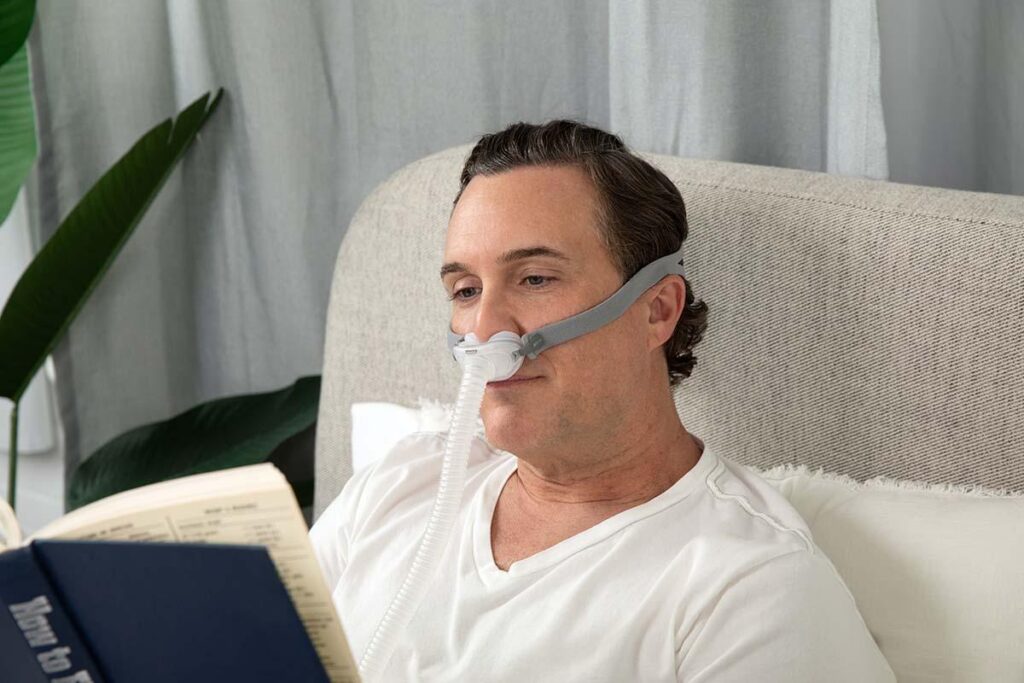
Private options can be faster and more flexible, while public pathways can be far cheaper. The better choice depends on budget, urgency, and how complex their symptoms are.
What is the real difference between private and public sleep studies?
Private sleep studies are typically arranged through a private clinic or insurer, often giving patients clearer expectations around sleep study cost, shorter wait times, and more predictable scheduling. Public options usually run through a general practitioner referral into a hospital or public sleep service, which can involve longer queues.
Both routes can diagnose conditions like obstructive sleep apnea, but the patient experience often differs more than the test itself.
How much does a private sleep study usually cost?
Private pricing varies widely by country, city, and whether the test is done at home or in a lab. In general, private home sleep tests tend to be cheaper than in-lab overnight studies.
Costs often rise when packages include specialist consults, equipment hire, scoring, follow-up appointments, or CPAP trials. They should ask for an itemised quote, not just a headline price.
How much do public sleep studies cost, and what is “free” really like?
Public sleep studies are often subsidised or covered under national health systems, so the out-of-pocket cost can be low. “Free” rarely means instant, though.
Patients may still face costs for GP visits, parking, follow-up appointments, or equipment like CPAP depending on the system. The biggest “cost” is usually time, especially if symptoms are severe and they cannot wait months.
Which option is faster, and why does timing matter?
Private pathways are usually faster because capacity is allocated to paying patients and scheduling is simpler. Public services triage based on severity, so mild-to-moderate cases can wait longer.
Timing matters because untreated sleep apnea and other sleep disorders can worsen blood pressure, mood, concentration, driving safety, and work performance. If they are at high risk, speed is not a luxury, it is risk reduction.
Is a home sleep test as good as an in-lab sleep study?
Home sleep tests can be very effective for suspected obstructive sleep apnea in otherwise straightforward cases. They are less comprehensive than in-lab polysomnography, which measures more signals and can detect a wider range of disorders.
If they have complex symptoms, comorbidities, suspected narcolepsy, unusual movements, or inconclusive prior results, an in-lab study is more likely to be recommended.
What is included in the price, and what do people forget to compare?
People often compare the test price and forget the pathway cost. A true comparison includes referral requirements, specialist consult fees, scoring and interpretation, follow-up, and treatment setup.
They should also check whether the provider offers support if results are borderline, the test fails, or the data quality is poor. A cheap test that needs repeating can quickly become the most expensive option.
Do private studies lead to better treatment outcomes?
Not necessarily. Outcomes are driven by correct diagnosis, good follow-up, and adherence to treatment, especially with CPAP.
Private services can feel more guided because appointments are quicker and more frequent. Public services can be equally effective, but patients may need to be more proactive due to time limits and scheduling constraints.
Who should choose private, and who should choose public?
Private tends to suit those who cannot wait, have safety-critical jobs, or are struggling with severe symptoms and need a fast answer. It can also suit those who value convenience, flexible appointments, and streamlined follow-up.
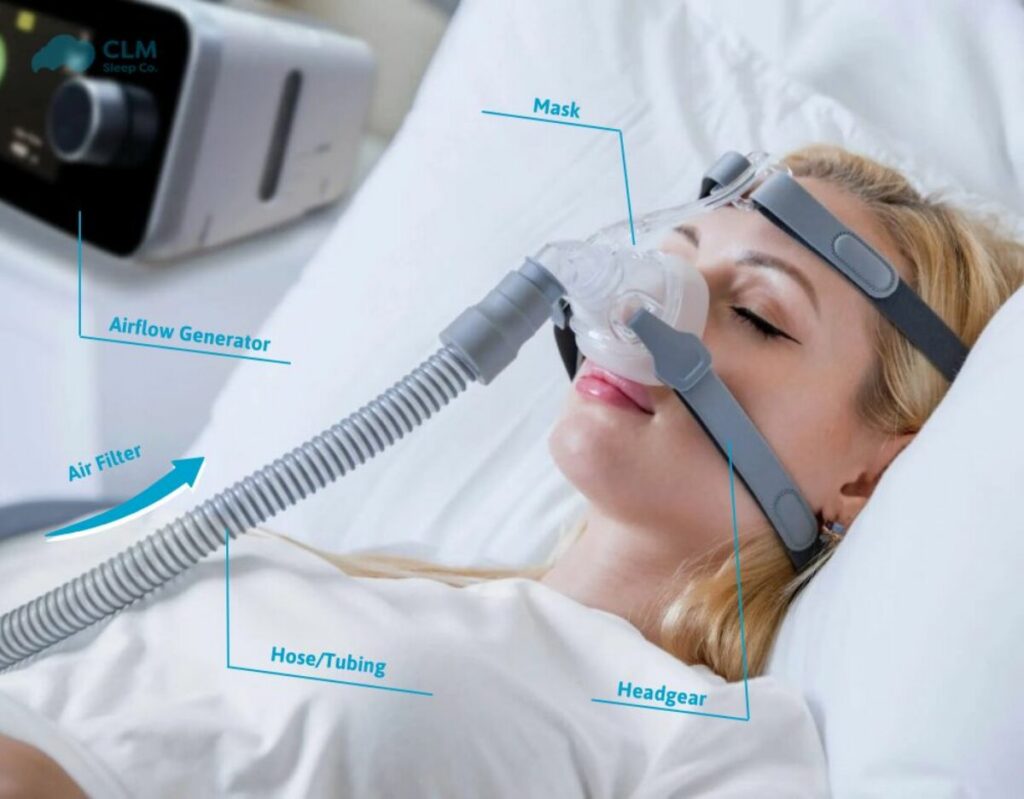
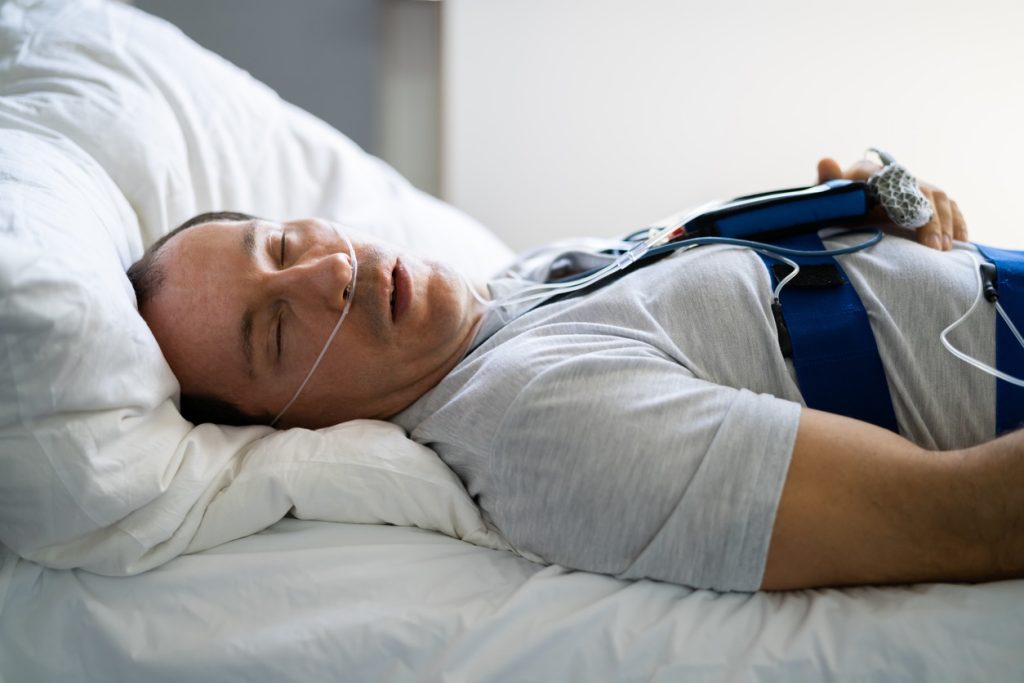
Public tends to suit those with limited budgets, stable symptoms, and the ability to wait. It is also a strong choice when the system provides high-quality sleep labs and clear clinical pathways. See how a home sleep study device records breathing and oxygen levels overnight.
What decision checklist helps them choose the better option?
They can decide faster by asking a few practical questions. If they answer “yes” to most of the private-side items, private may be worth it.
- Are symptoms severe, worsening, or affecting driving or work safety?
- Have they already waited weeks with no clear timeline?
- Do they need a specific test type, like in-lab polysomnography?
- Do they want packaged follow-up and treatment support?
- Can they afford the out-of-pocket cost without financial strain?
If budget is the main constraint and symptoms are stable, public is often the smarter first step.
So which is better overall: private cost or public value?
Private is usually better for speed and convenience, while public is usually better for affordability. The “best” choice is the one that gets them accurately diagnosed and treated soon enough to matter.
If they are unsure, they can start by asking a GP which pathway fits their risk profile, then request quotes and wait times from both sides before committing.
FAQs (Frequently Asked Questions)
What is the main difference between private and public sleep studies?
Private sleep studies are arranged through private clinics or insurers, offering shorter wait times and more flexible scheduling. Public sleep studies typically require a general practitioner referral to a hospital or public service, often involving longer queues. While both can diagnose conditions like obstructive sleep apnea, patient experiences differ mainly in timing and convenience rather than in the test itself.
How much does a private sleep study usually cost, and what factors affect the price?
Private sleep study costs vary widely depending on country, city, and whether the test is conducted at home or in a lab. Home sleep tests tend to be cheaper than in-lab overnight studies. Additional costs may include specialist consultations, equipment hire, scoring, follow-ups, and CPAP trials. It’s important to request an itemised quote rather than relying on headline prices.
Are public sleep studies truly free, and what hidden costs might patients face?
Public sleep studies are often subsidised or covered by national health systems, resulting in low out-of-pocket expenses. However, ‘free’ rarely means immediate access; patients may incur costs for GP visits, parking, follow-up appointments, or equipment like CPAP machines depending on the healthcare system. The most significant cost is often time due to potentially long waiting periods.
Which option offers faster diagnosis: private or public sleep studies? Why does timing matter?
Private sleep studies generally offer faster diagnosis because resources are allocated to paying patients with simpler scheduling processes. Public services prioritize cases based on severity, so mild-to-moderate symptoms might experience longer waits. Timely diagnosis is crucial as untreated sleep disorders like apnea can worsen blood pressure, mood, concentration, driving safety, and work performance.
Is a home sleep test as effective as an in-lab polysomnography study?
Home sleep tests are effective for diagnosing suspected obstructive sleep apnea in straightforward cases but are less comprehensive than in-lab polysomnography. In-lab studies measure more physiological signals and detect a wider range of disorders. Patients with complex symptoms, comorbidities, suspected narcolepsy, unusual movements, or inconclusive prior results are usually recommended to undergo an in-lab study.
Who should consider choosing private versus public sleep study options?
Private sleep studies suit individuals who cannot wait due to severe symptoms or safety-critical jobs needing fast answers; they also appeal to those valuing convenience and flexible appointments. Public options fit those with limited budgets, stable symptoms, and the ability to wait longer. The best choice depends on urgency, financial capacity, symptom complexity, and desired support throughout diagnosis and treatment.